How To Choose The Right Car Parts for Your Vehicle
Why MG Parts Are Key to Maintaining Your Vehicle’s Legacy
Owning an MG is more than just having a car—it’s about embracing a piece of automotive history. From the iconic MG Midget to the sleek MG ZS EV, these vehicles carry a legacy of British engineering, style, and performance. But like any classic or modern machine, an MG needs proper care to stay true to its roots. That’s where MG parts come in. Whether you’re restoring a vintage model or keeping a newer one in top shape, using the right parts is essential to preserving your vehicle’s character, performance, and longevity. In this article, we’ll explore why MG parts are so vital and how they help you maintain the spirit of your ride.
Looking for rare components for other classic British cars? Many collectors also seek Pièces Triumph Spitfire to preserve the authenticity of their prized roadsters—proof that original parts are key to keeping history alive
The Heritage Behind MG Vehicles
MG, short for Morris Garages, has been a name synonymous with motoring excellence since the 1920s. The brand started with sporty, open-top roadsters that captured the hearts of drivers who craved freedom and thrill. Over the decades, MG evolved, blending its classic charm with modern innovation. Today, models like the MG HS and MG4 EV show how the brand has adapted to the times while staying rooted in its heritage.
This rich history is part of what makes MG ownership special. Every hum of the engine and curve of the chassis tells a story. But to keep that story alive, you need parts that honor the original design and engineering. Aftermarket knockoffs or generic components might save you a few bucks upfront, but they can compromise the authenticity and performance that define an MG. Genuine MG parts, on the other hand, are crafted to match the vehicle’s DNA, ensuring it runs as intended—whether it’s a 1960s classic or a 2020s electric marvel.
Performance That Stays True to the Brand
One of the biggest reasons to stick with MG parts is performance. These vehicles were built with specific tolerances and specifications in mind. Take the suspension on an MG MGB, for example. It’s designed to deliver that signature responsive handling that made the car a legend. Swap in a generic spring or shock absorber, and you might end up with a ride that feels sluggish or unstable. Genuine MG parts are engineered to meet the exact standards set by the manufacturer, so you’re not just maintaining the car—you’re preserving the driving experience.
For modern MG models, this is just as important. The MG ZS EV, for instance, relies on a finely tuned electric powertrain. Using authentic MG-approved batteries, chargers, or motor components ensures the vehicle delivers its promised range and efficiency. Cutting corners with cheaper alternatives could lead to reduced power, uneven wear, or even safety risks. When you invest in MG parts, you’re investing in the performance that drew you to the brand in the first place.
Longevity: Keeping Your MG on the Road
Vehicles don’t last forever—unless you take care of them. For MG owners, longevity is often a top priority, especially if you’re dealing with a classic. Rust, wear, and mechanical breakdowns are the enemies of any car, but they’re especially tough on older models. The good news? High-quality MG parts can extend the life of your vehicle, keeping it roadworthy for years or even decades.
Consider something as simple as a gasket or seal. A genuine MG part is made from materials designed to withstand the heat, pressure, and corrosion your engine throws at it. A bargain-bin substitute might crack or leak after a few months, leading to costly repairs down the line. The same goes for bigger components like brakes, clutches, or radiators. By choosing MG parts, you’re building a foundation of durability that protects your vehicle’s legacy—and your wallet—from unnecessary headaches.
Authenticity Matters for Resale Value
If you’re a car enthusiast, you know that authenticity can make or break a vehicle’s resale value. This is especially true for classic MGs, which have a devoted following. Buyers of vintage models like the MG TF or MGA often look for originality—down to the smallest bolt. Swapping in non-MG parts might get the job done, but it can turn off collectors who prize factory-spec authenticity.
Even for newer models, sticking with MG parts can boost resale appeal. Potential buyers want assurance that the car has been well-maintained with components that match its pedigree. A service history full of genuine MG parts signals care and quality, giving you an edge in the market. In short, these parts aren’t just about keeping your car running—they’re about protecting its story and its worth.
The Risks of Cutting Corners
It’s tempting to go for the cheapest option when a part needs replacing. After all, a brake pad is a brake pad, right? Not quite. Generic or low-quality parts can introduce a host of problems. They might not fit properly, leading to rattles, leaks, or premature failure. Worse, they could compromise safety—imagine a subpar brake disc giving out when you need it most. With MG parts, you get peace of mind knowing they’ve been tested and approved for your specific model.
There’s also the issue of compatibility. MG vehicles, especially older ones, have quirks that generic manufacturers might not account for. A fuel pump or ignition coil that’s “close enough” could throw off the engine’s timing or efficiency. Genuine MG parts eliminate the guesswork, ensuring a seamless fit and function every time.
Where to Find the Right MG Parts
So, how do you get your hands on these all-important MG parts? Start with authorized dealers or the manufacturer’s official channels. For newer models, MG dealerships are a reliable source, often offering warranties on parts and installation. If you’re working on a classic, specialty retailers and online marketplaces can be goldmines—just be sure to verify authenticity. Look for part numbers, manufacturer stamps, or certificates of origin to avoid fakes.
Another great option is connecting with the MG community. Owners’ clubs, forums, and social media groups are full of enthusiasts who know the best suppliers and can point you toward trusted sources. Whether it’s a rare chrome trim piece for an MGC or a battery pack for an MG5 EV, the right part is out there—you just need to know where to look and shop mg parts.
The Joy of Maintaining Your MG’s Legacy
There’s something deeply satisfying about keeping an MG in its prime. Maybe it’s the roar of the engine on a winding road, the gleam of a freshly polished grille, or the knowledge that you’re part of a century-long tradition. Whatever drives you, using MG parts is the key to unlocking that joy. They’re not just components—they’re the building blocks of your vehicle’s soul.
For classic owners, it’s about honoring the past. Every nut and bolt you replace with an MG original keeps the car closer to its factory glory. For modern MG drivers, it’s about ensuring the future—making sure your vehicle performs as it should, today and tomorrow. In both cases, these parts tie you to the legacy of a brand that’s been turning heads and winning hearts for generations.
Final Thoughts: Invest in the Legacy
Your MG isn’t just a mode of transport—it’s a statement, a passion, and a piece of history on wheels. Maintaining that legacy takes effort, but it’s worth it. MG parts are the unsung heroes that keep your vehicle true to its roots, delivering the performance, durability, and authenticity you signed up for. Sure, they might cost a bit more than the generic stuff, but what’s the price of keeping a legend alive?
Next time your MG needs a fix, think beyond the quick fix. Choose parts that reflect the craftsmanship and spirit of the brand. Your car deserves it, and so do you. After all, an MG isn’t just a vehicle—it’s a story, and with the right parts, that story can roll on for miles to come.
Advantages of Buying Car Parts Online
Fast Delivery Car Parts
The 5 Common Causes of Overheating in Cars

Dealing with your car overheating can be a real headache, turning your everyday drive into a stressful situation. However, understanding what’s causing the problem can help you take the necessary action before the problem gets worse.
In this blog, we’re diving into the top five causes of car overheating, giving you some basic knowledge on how vehicle cooling systems work. Whether you’ve overlooked an issue during maintenance or it’s a more complicated mechanical problem, each of these car overheating causes can have a major impact on your car’s health.
A malfunctioning radiator, a faulty thermostat, or low coolant levels can all lead to overheating, but being aware of them ahead of time can save you from expensive repairs and inconvenient breakdowns.
By arming yourself with knowledge about why cars overheat, you’ll be better prepared to identify warning signs, conduct regular checks, and keep your car running smoothly and reliably on the road.
Let’s dive in and learn how to keep your vehicle cool!
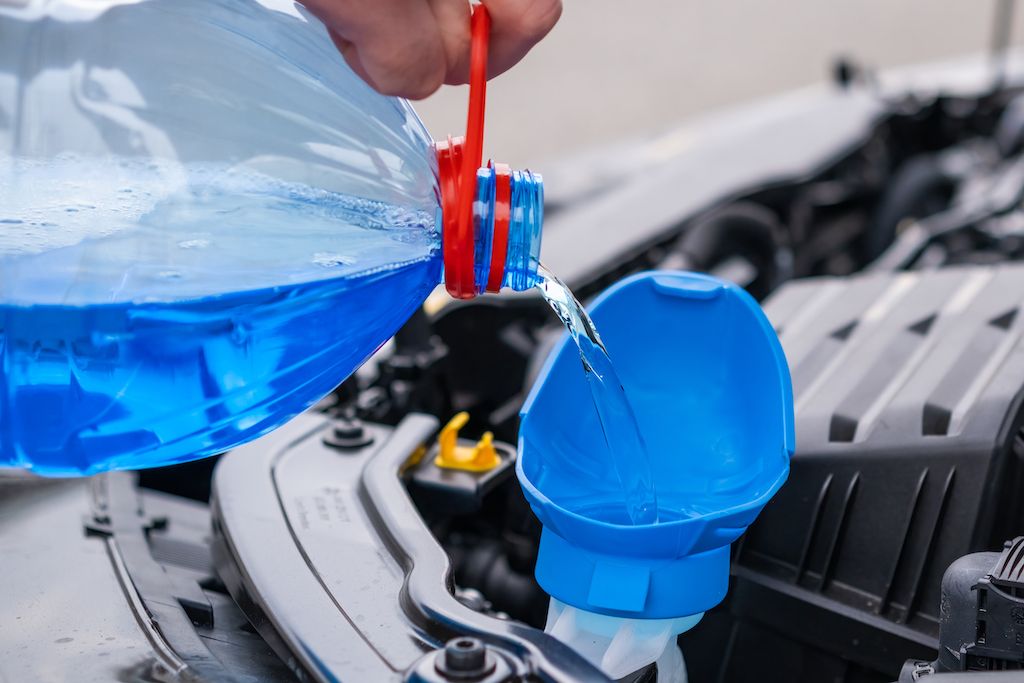
1. Low Coolant Level

One of the main culprits behind car overheating is a low coolant level. Coolant, also known as antifreeze, plays an important role in regulating your engine temperature by absorbing and getting rid of the heat.
When the coolant level drops below the recommended level, the engine can’t cool down properly, which leads to overheating. Low coolant levels can happen for various reasons, like leaks in the cooling system or the coolant evaporating over time.
To avoid this problem, you need to regularly check your coolant levels and top them up if needed. Moreover, if you do find any leaks, make sure to get them fixed right away as it is essential to keep up with regular maintenance for your cooling system. This will contribute to keeping your engine cool and prevent overheating issues.
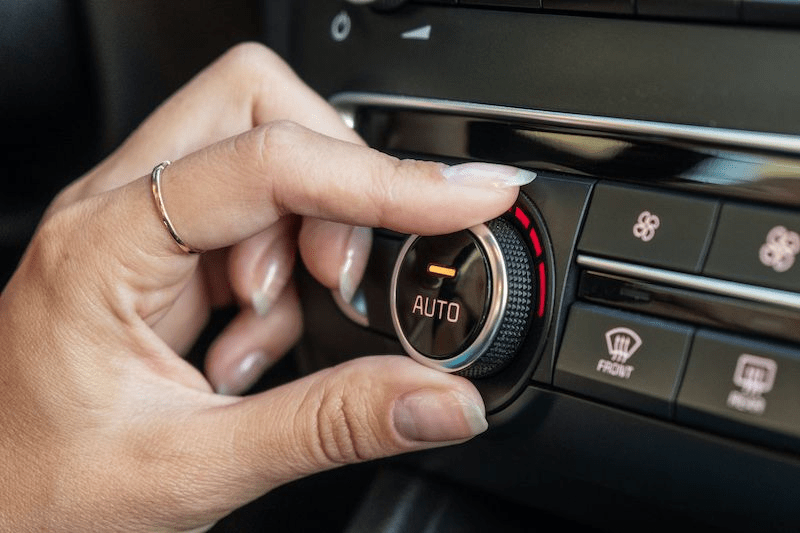
2. Failing Thermostat

A malfunctioning thermostat is another common cause of car overheating. The thermostat regulates the flow of coolant through the engine by opening and closing as needed to maintain the required operating temperature.
However, if the thermostat fails to open properly, coolant circulation will be restricted, which will lead to overheating. Conversely, if the thermostat remains stuck open, the engine may not reach its ideal temperature, which would affect your car’s performance and fuel efficiency.
To identify a failing thermostat, look for symptoms like fluctuating temperature gauge readings and inconsistent heating in the cabin. If you notice these signs, replace the faulty thermostat to ensure that your car’s engine continues to cool properly and doesn’t overheat.
3. Compromised Radiator
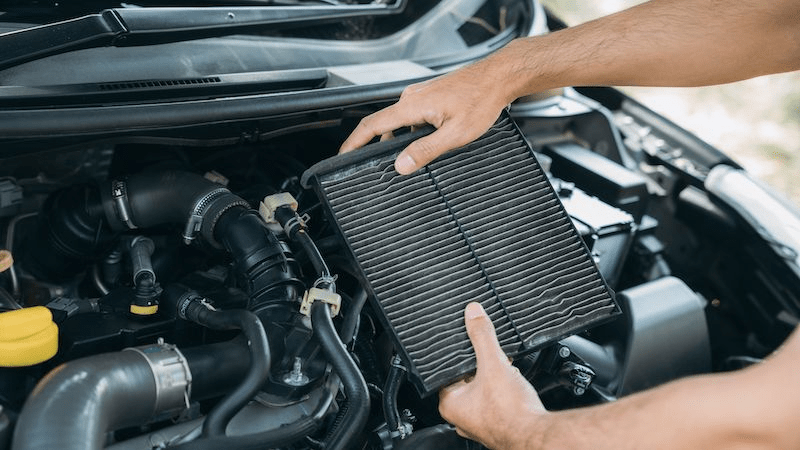
The radiator is an essential aspect of the cooling system as it removes the heat from the engine coolant through its fins and tubes. However, various issues can compromise its functionality, leading to overheating.
Damage from road debris, corrosion, or leaks can affect the radiator’s ability to efficiently cool the coolant. Additionally, if the radiator gets clogged due to debris buildup or dirt accumulation, it will restrict the airflow and trap the heat inside.
To find out if your radiator is compromised, check for coolant leaks, visible damage, or an overheating engine. With regular inspection, cleaning, and quick repair or replacement of damaged radiators, you can maintain proper engine temperature and avoid such car overheating causes.
4. Faulty Water Pump
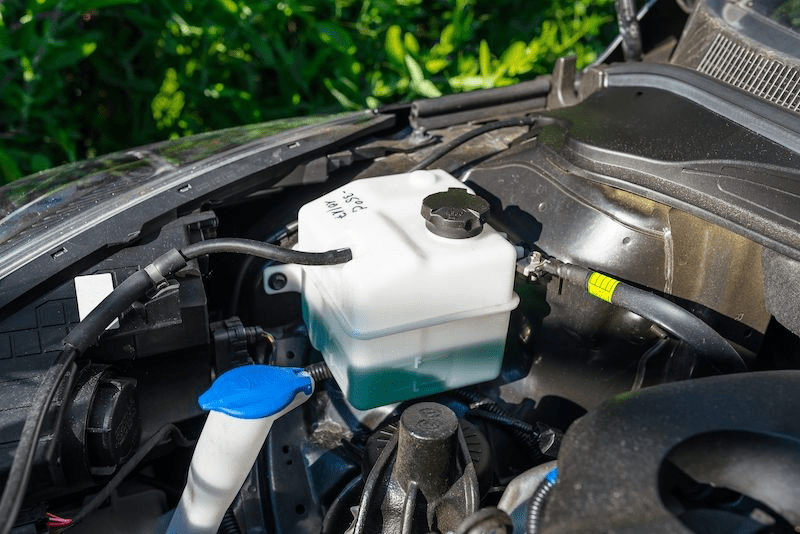
The water pump helps to circulate the coolant throughout the engine and radiator, regulating its temperature. However, a faulty water pump can disrupt this process, leading to overheating.
The pump’s efficiency is often reduced by common issues like leaks, worn bearings, or impeller damage. As a result, the coolant’s flow will be insufficient and cause the engine to overheat.
If you notice coolant leaks beneath the vehicle, engine temperature spikes, or whining noises from the pump area, it could mean that your car’s water pump is damaged. By promptly replacing this malfunctioning system, you’ll be able to prevent engine damage and ensure that the cooling system functions as it should, maintaining ideal performance.
5. Broken Fan Belts and Malfunctioning Fans
Fan belts and cooling fans are important for maintaining the engine temperature. A broken fan belt or malfunctioning fan can disrupt the airflow necessary for cooling, which will lead to the car overheating.
If the fan belt snaps or becomes loose, the cooling fan will not operate effectively, reducing airflow over the radiator. Similarly, malfunctioning fans may not engage or spin at the required speeds, which would stop the heat from being let out of the system.
Signs of these issues include spikes in the engine temperature, overheating while you’re stuck in traffic, or unusual noises from the engine bay. If you notice these symptoms, make sure to replace the worn fan belts or repair the malfunctioning fans on time to prevent engine overheating and other potential damage.
To Fix the Causes of Overheating in Cars, Choose Universal Car Parts
Now that you’re well aware of the main car overheating causes, if you need replacement parts to solve such issues, we’ve got you covered!
At Universal Car Parts, we offer a comprehensive selection of high-quality replacement parts, carefully curated to meet your car repair needs. Our competitive prices also ensure that you get the best value for your money.
With expert product descriptions and responsive customer support, we strive to make your shopping experience seamless. Trust us to be your reliable partner in the world of DIY car repairs, ensuring that all your journeys are convenient and hassle-free.
Explore our range of products and get in touch with us today!